EDUCATION & ACADEMIC ACTIVITIES

Education and academic activity

Training in modeling, optimization, simulation and academic writing through research projects and competition practice.

SYSTEM / 05MAGLEV RESEARCH

01 / TRAINING DIRECTIONS

Graduate training directions

Students train in formal modeling, optimization, simulation validation and academic writing through real research projects, with competitions supporting research communication and application.

01

High-speed maglev networks and techno-economic analysis

Relationships between high-speed maglev and existing high-speed rail networks, including demand, service organization, system conditions, applicable scenarios and economic comparison.

  • Network relations
  • Demand
  • Economic comparison
02

Transport organization and operational dispatching

Coordination among departure times, section running times and demand, with emphasis on timetabling, line capacity and service adjustment.

  • Timetabling
  • Capacity
  • Service adjustment
03

Train speed profiles and energy-efficient operation

Speed profiles shaped by running time, energy and safety constraints, including auxiliary stopping areas, line conditions, traction characteristics and levitation energy.

  • Speed profiles
  • Eco-driving
  • Safety constraints
04

Coordination of organization, control and traction power

Formal modeling, layered optimization and operating-strategy generation across transport planning, train control and traction power.

  • Integrated operation
  • Layered optimization
  • Strategies
05

Low-speed maglev freight models and planning assessment

Low-speed permanent-magnet maglev freight models and transport organization for urban logistics, including capacity and cost analysis.

  • Freight models
  • Organization
  • Planning

02 / ACTIVITIES

Academic activities

2026.05

Paper on energy-efficient maglev operation published in Transportation Research Part D

The work studies eco-driving with position-dependent motor characteristics and includes power-capacity and two-dimensional speed-protection constraints.

ACTIVITY / 01

2026.03.09

Low-speed maglev freight research used in planning-assessment materials

The work supported preliminary planning and feasibility assessment, using the Guangzhou North–Baiyun Airport logistics line as a capacity and cost-analysis case.

ACTIVITY / 02

2025.02

Maglev Train Operation Optimization published

The book by Qingying Lai and Jun Liu was published by China Railway Publishing House and covers formal modeling, speed profiles and integrated operation–control–power optimization.

ACTIVITY / 03

03 / STUDENT ACHIEVEMENTS

Student achievements

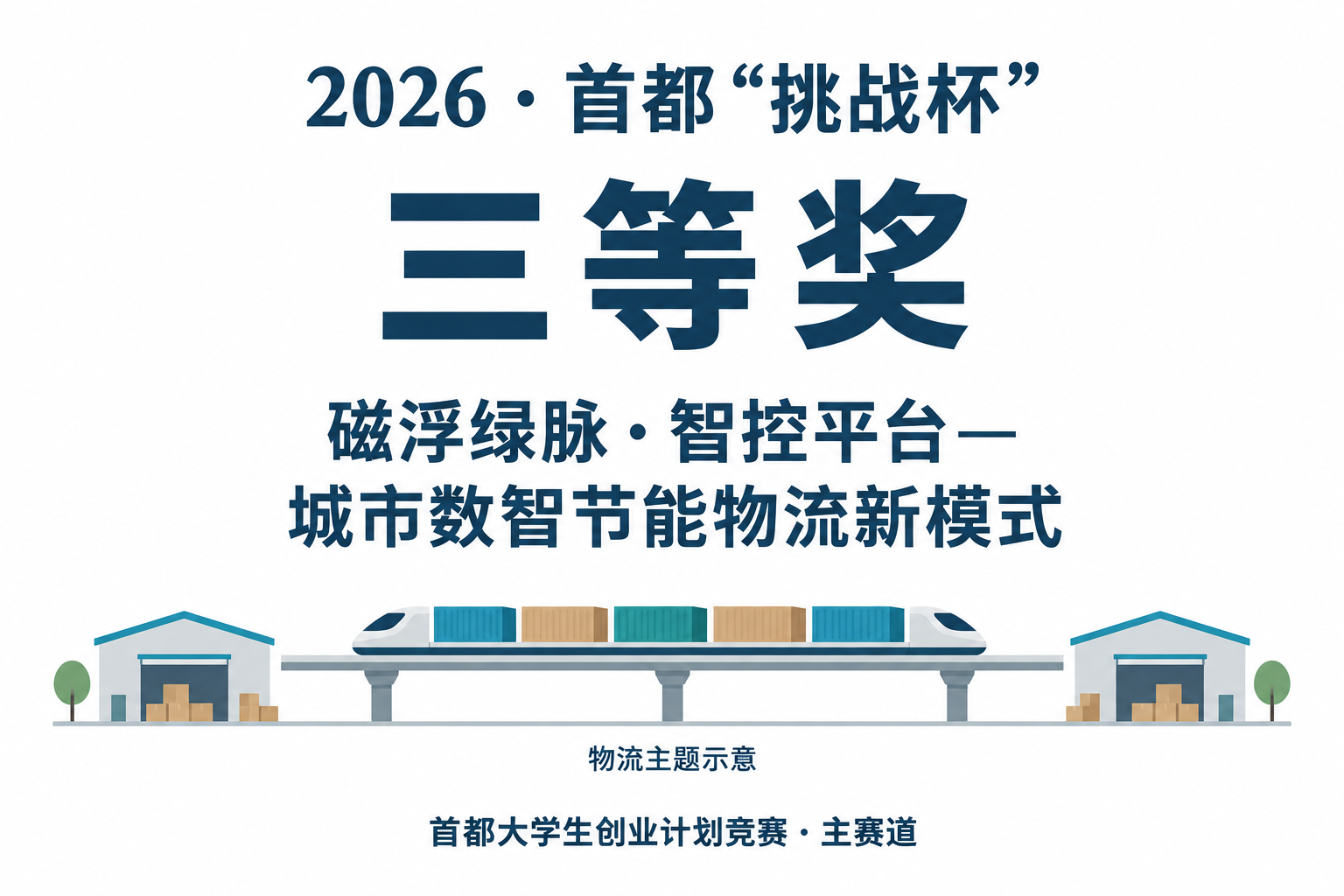
2026Third Prize

Maglev Green Artery Intelligent-Control Platform: A Digital Energy-Efficient Urban Logistics Model

2026 Challenge Cup Beijing Student Entrepreneurship Competition

Advisers: Liujiang Kang, Qingying Lai, Huijun Sun, Jun Liu

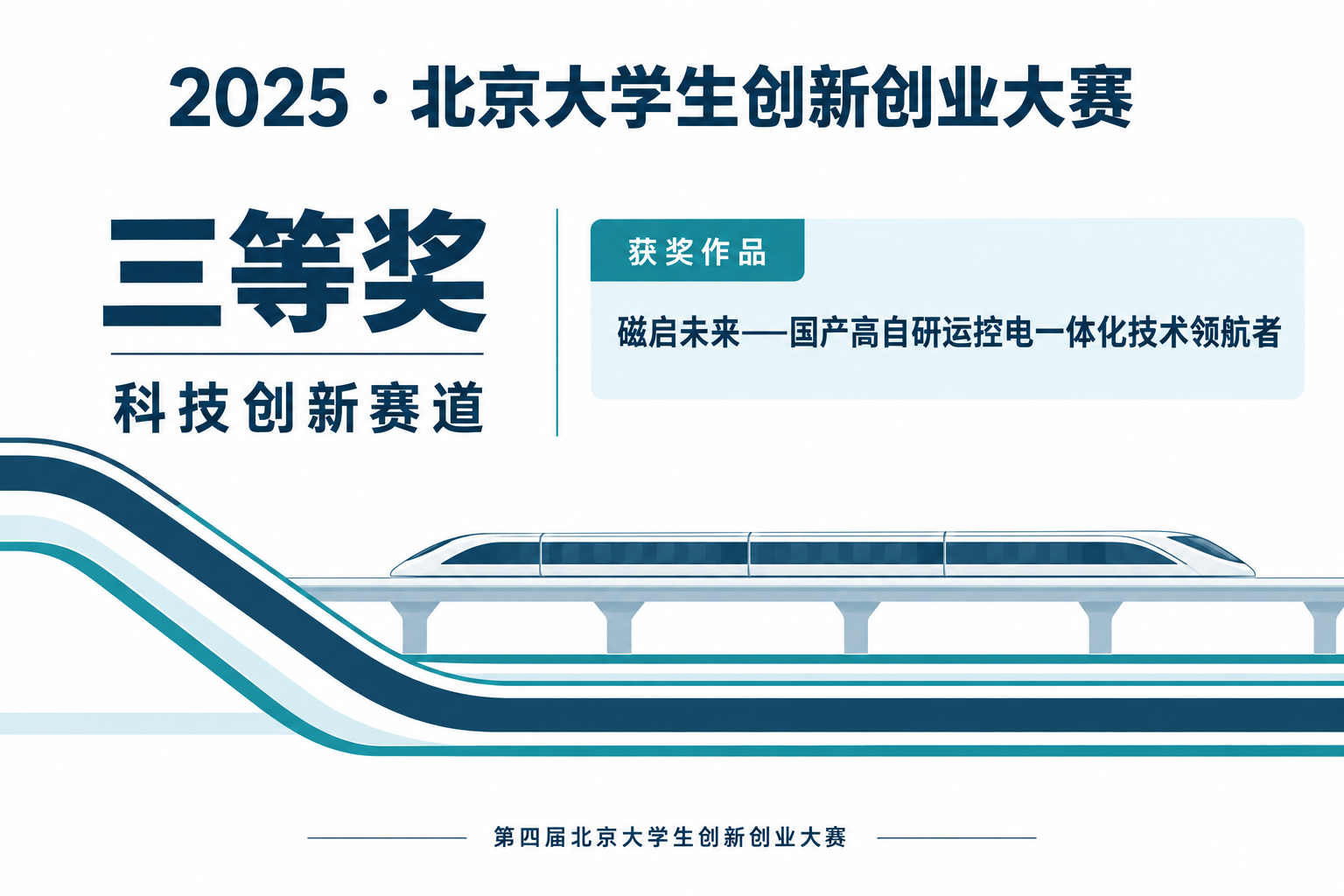
2025Third Prize

Maglev Future: A Domestic Integrated Operation–Control–Power Technology

4th Beijing Student Innovation and Entrepreneurship Competition

Advisers: Liujiang Kang, Qingying Lai

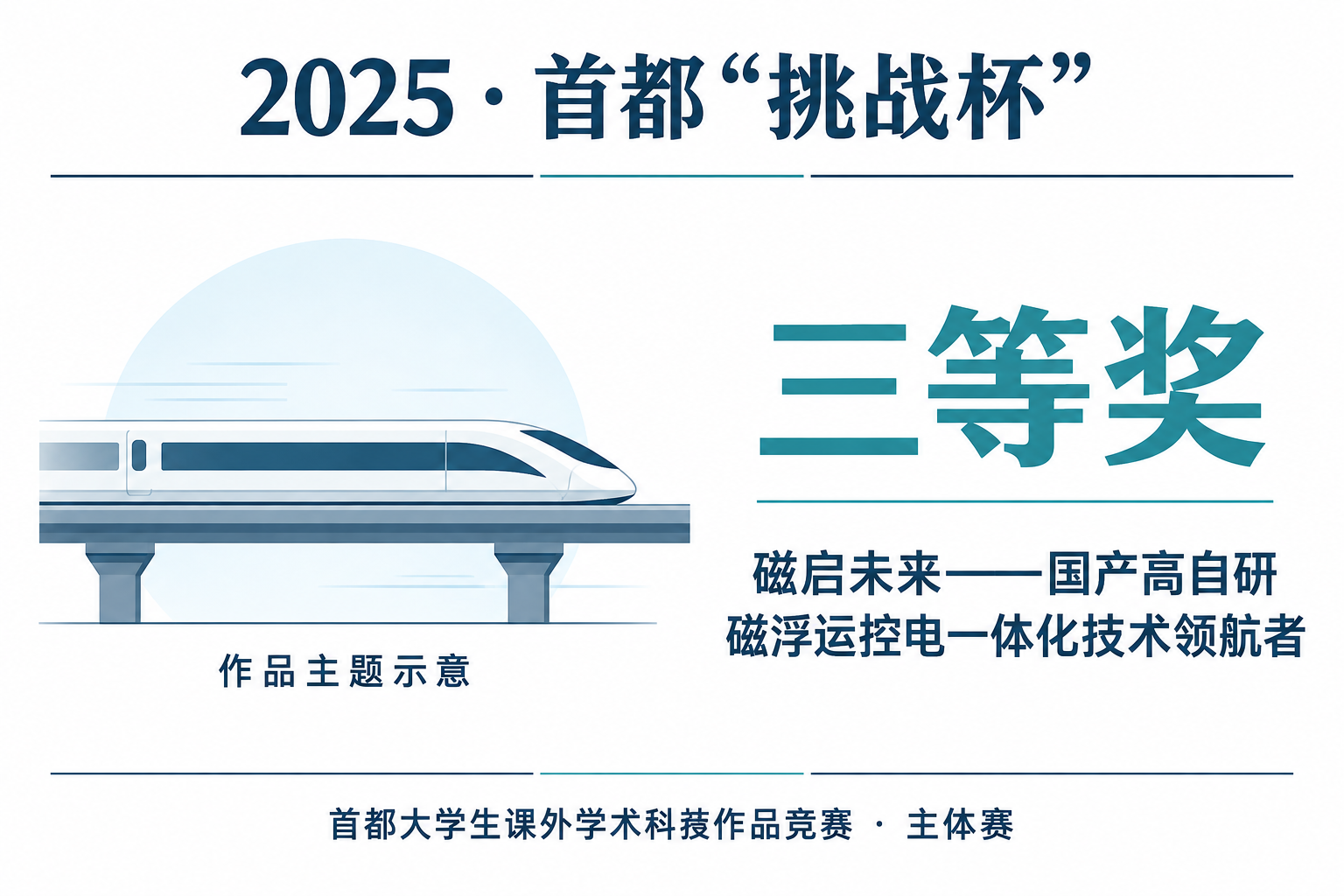
2025Third Prize

Maglev Future: Domestic Maglev Operation–Control–Power Integration

2025 Challenge Cup Beijing Student Academic Science and Technology Competition

Advisers: Liujiang Kang, Qingying Lai, Rui Dong

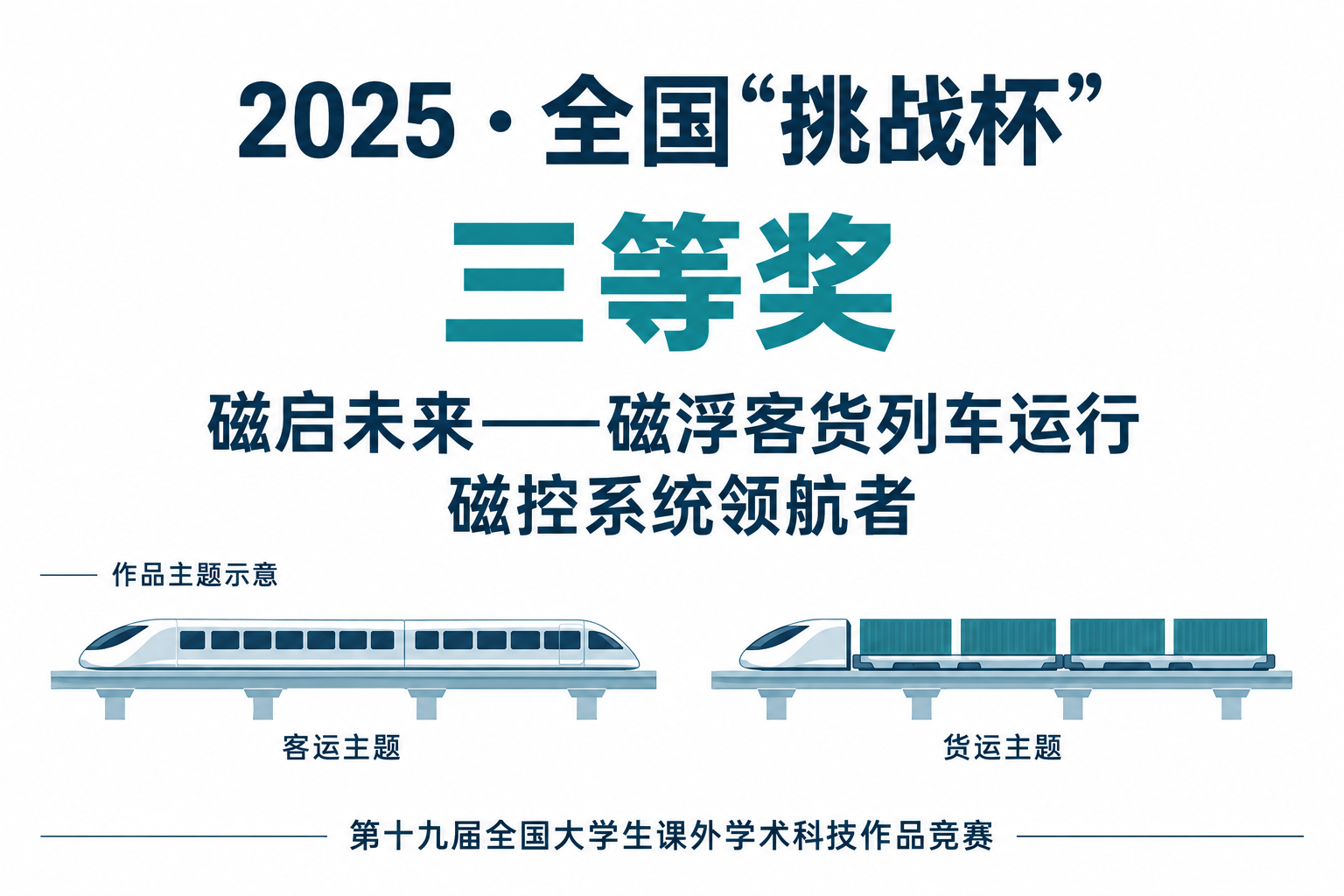
2025Third Prize

Maglev Future: Magnetic-Control Systems for Passenger and Freight Trains

19th National Challenge Cup Student Academic Science and Technology Competition

Advisers: Liujiang Kang, Qingying Lai, Yu Liu

04 / TRAINING FEATURES

Training system

FEATURE / 01

Project-driven

Real national and industry programs shape research training.

FEATURE / 02

Problem-oriented

Systematic work on core maglev operations questions.

FEATURE / 03

Academic exchange

International conferences, joint training and collaboration.

JOIN THE TEAM

Join us to advance maglev transport organization and operations

View faculty profiles